Failing Private Pole in Maryland
If your private pole is rotten, leaning, or damaged at your Maryland property, Electrician Maryland's Level 2 ASPs respond fast, backed by 300+ five-star reviews and $0 call-out.
Level 2 ASP Accredited
Lic #451348C, accredited on the Ausgrid and Endeavour Energy networks.
300+ Five-Star Reviews
Rated 5 stars across 300+ genuine local reviews.
$0 Call-Out & Free Quotes
No call-out fee, and a free, fixed quote before we start.
What a Failing Private Pole Means
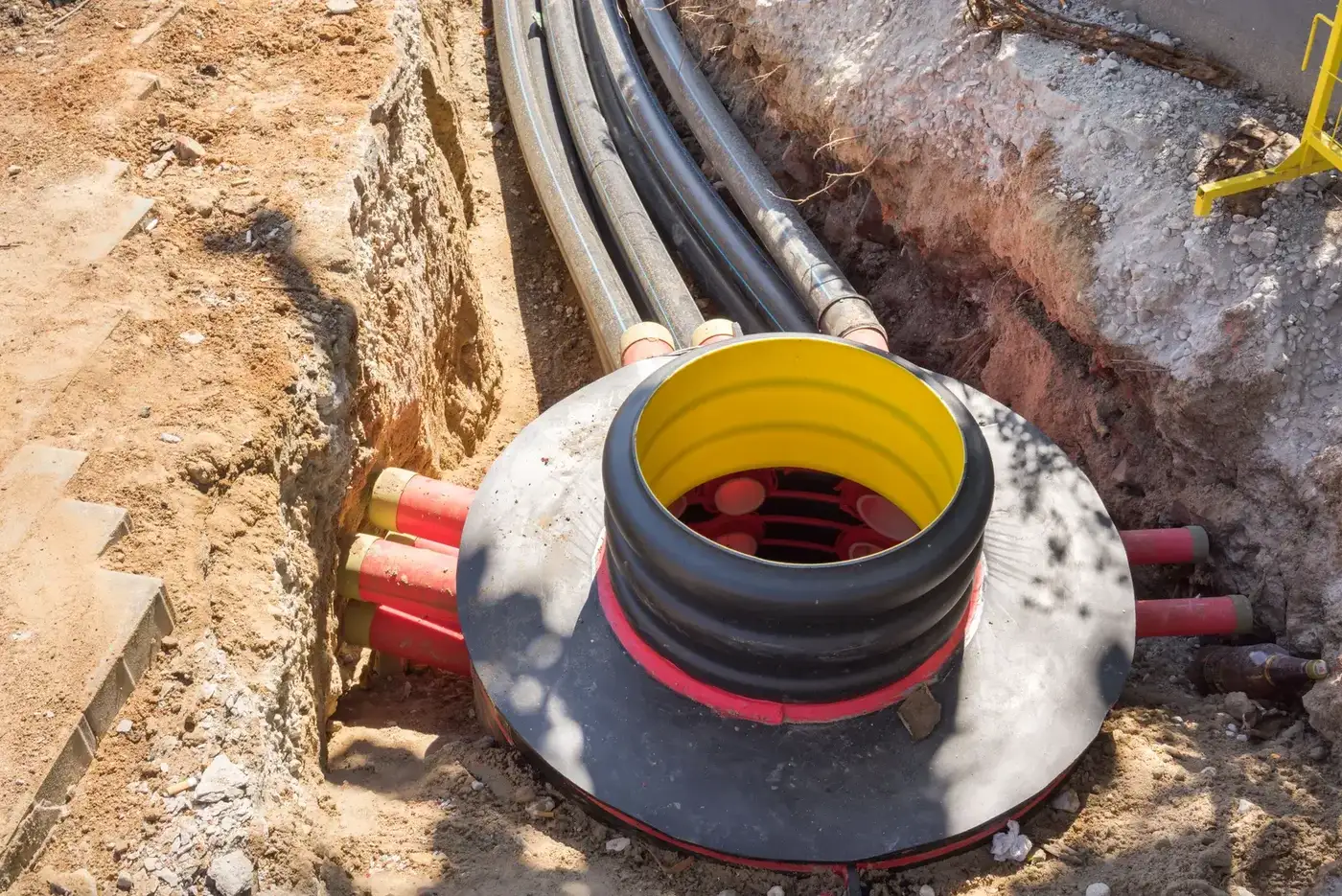
A private pole is the homeowner's own pole, not Ausgrid's or Endeavour Energy's, and it carries the service mains onto the property. A pole that is rotten, leaning, or carrying damaged mains is Level 2 work under AS/NZS 3000, and only a Level 2 ASP is licensed to repair or replace it.
Common Causes of a Failing Private Pole
Rot in an ageing timber pole
Timber poles installed decades ago, common across Maryland's 1970s-80s estate build-out, eventually rot at the base or below ground, weakening the structure.
Ground movement around the base
Softening or shifting soil around the pole's footing, especially after heavy Hunter rain, can let a once-stable pole begin to lean.
Storm wind loading
Strong winds acting on the pole and the mains it carries can push an already-weakened pole further off-vertical or damage its fittings.
Corrosion on fittings and brackets
Weathering on the metal brackets and fittings that secure the mains to the pole can fail over time, even if the pole itself looks sound.
Age and general deterioration
A pole simply reaching the end of its serviceable life is common on properties that have never had the original pole assessed or replaced.
Is a Failing Private Pole Dangerous?
Yes, treat a leaning or damaged private pole as urgent. It can fall without warning, and if it is carrying live mains, the risk extends well beyond the pole itself and into the surrounding yard.
- A pole leaning more than it used to can fail suddenly, especially in wind
- A pole carrying live mains that falls is a serious shock and fire risk
- Rot at the base is often worse than it looks from above ground, since decay usually starts below the surface
- A pole under stress can pull on the mains it carries, straining the connection at the house
- This is Level 2 work, outside a standard electrician's licence
What To Do Right Now
Before we arrive, these steps keep you safe:
- Keep well clear of the pole and anything it is carrying overhead.
- Keep children, pets, and vehicles away from the area around the pole.
- Do not attempt to straighten, support, or brace the pole yourself.
- Do not touch any mains or fittings attached to the pole.
- Call a Level 2 ASP (Lic #451348C) to inspect the pole and mains.
When To Call a Level 2 ASP for a Failing Private Pole in Maryland
- The pole looks visibly more off-vertical than it used to
- You can see rot, cracking, or damage at the base of the pole
- The mains carried on the pole look sagging, frayed, or damaged
- The pole has shifted or worsened after a storm or heavy rain
- The pole has never been inspected since the property was built
Any of these at your Maryland property is a private pole job, not something to leave. We respond same-day and 24/7, with $0 call-out and free quotes, and fixed upfront pricing before any work starts. See our private pole and service mains pages.
How it works
How We Fix a Failing Private Pole in Maryland
Fault Finding
We inspect the pole, its footing, and the mains it carries to confirm the extent of the deterioration and whether it is safe to work near.
Upfront Quote
Once we know whether the pole needs repair or full replacement, you get a fixed, transparent quote before any work begins.
The Repair or Replacement
As Level 2 ASPs we repair or replace the pole and reconnect the mains ourselves, work most electricians have to sub out entirely.
Testing & Safety Check
Every job finishes with full testing against AS/NZS 3000 so the pole and its mains are confirmed safe and secure before we leave.
Why This Is Common in Maryland Homes
Many properties from Maryland's 1970s-80s estate rollout still carry their original private pole, now at the age where rot and ground movement commonly cause leaning, especially near the bushland fringe.
Failing Poles and Related Electrical Faults Across Maryland
A failing private pole often shows up alongside storm-damaged mains or a sagging service line. We fix all three across Maryland, Elermore Vale, Wallsend, and the wider Newcastle region.
Failing Private Pole in Maryland? Call Now
Call (02) 4009 4206 for same-day, 24/7 emergency service, $0 call-out and free quotes, backed by 300+ five-star reviews and Lic #451348C. We'll assess the pole, and if it sparks, shorts, flickers or fails, we can fix it. Visit our home page or contact us any time.
Common questions
Failing Private Pole FAQs
Real questions homeowners ask about a leaning or damaged private pole, answered honestly so you know what to do next.
Is a failing private pole dangerous?
Yes. A leaning or rotten private pole can fall without warning and may be carrying live mains, so treat it as urgent and get a Level 2 ASP to inspect it the same day.
What causes a private pole to fail?
Age, rot in a timber pole, corrosion, storm winds, or ground movement around the base are the most common causes of a leaning or failing private pole.
What should I do if my private pole is leaning or damaged?
Keep well clear of the pole and anything it is carrying, do not attempt to straighten or support it yourself, and call a Level 2 ASP straight away.
Do I need a Level 2 ASP to fix a private pole?
Yes, a private pole and the mains it carries are Level 2 work, and only an accredited Level 2 ASP is licensed to repair or replace it.
How much does it cost to fix or replace a private pole?
It depends on the pole's condition and what it carries, but we provide a free, fixed quote before any work starts, plus a $0 call-out fee for the inspection.
Are old private poles a common issue in Maryland?
Yes, many Maryland properties from the 1970s-80s estate era still have their original private pole, now at or past the age where rot and leaning become common.